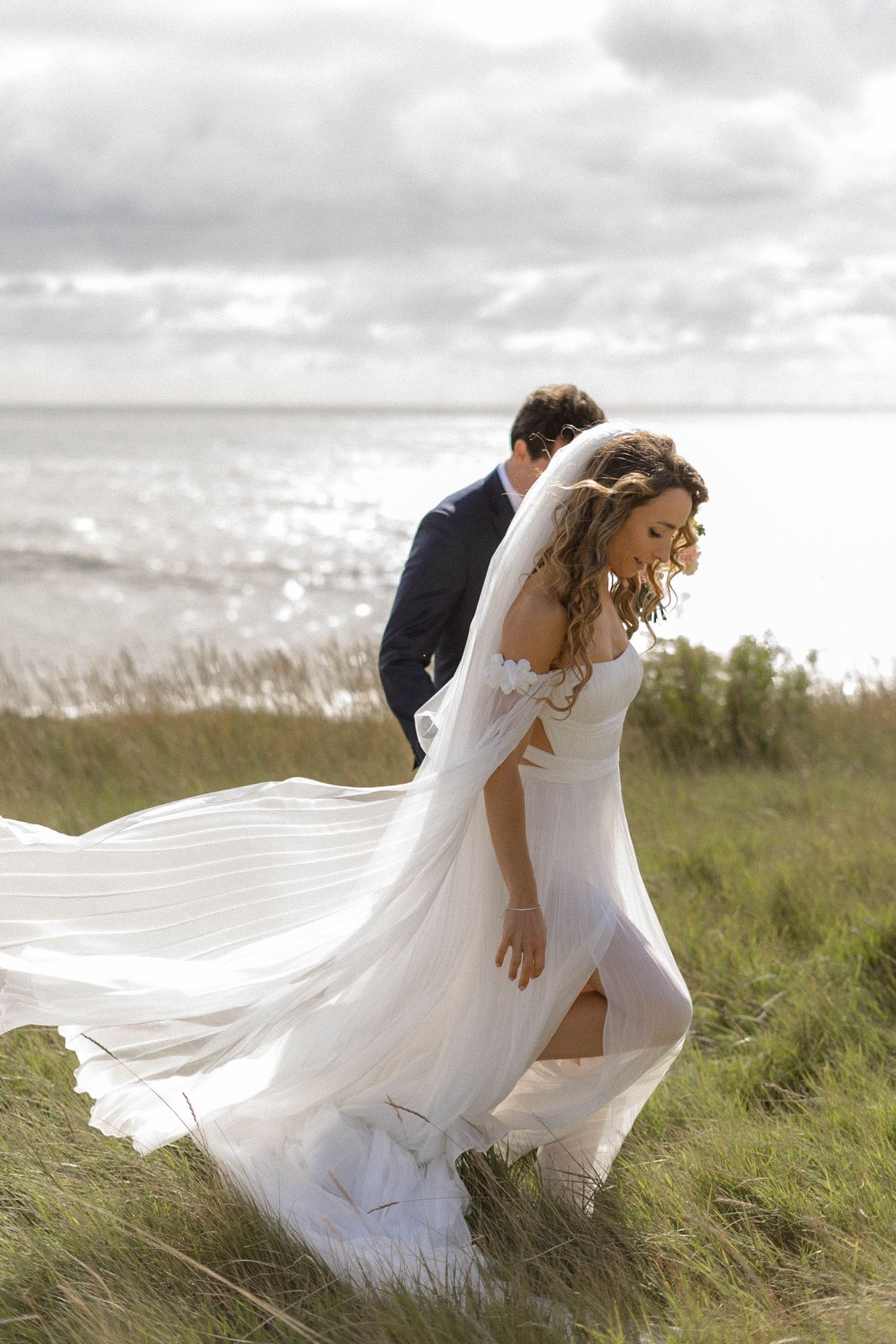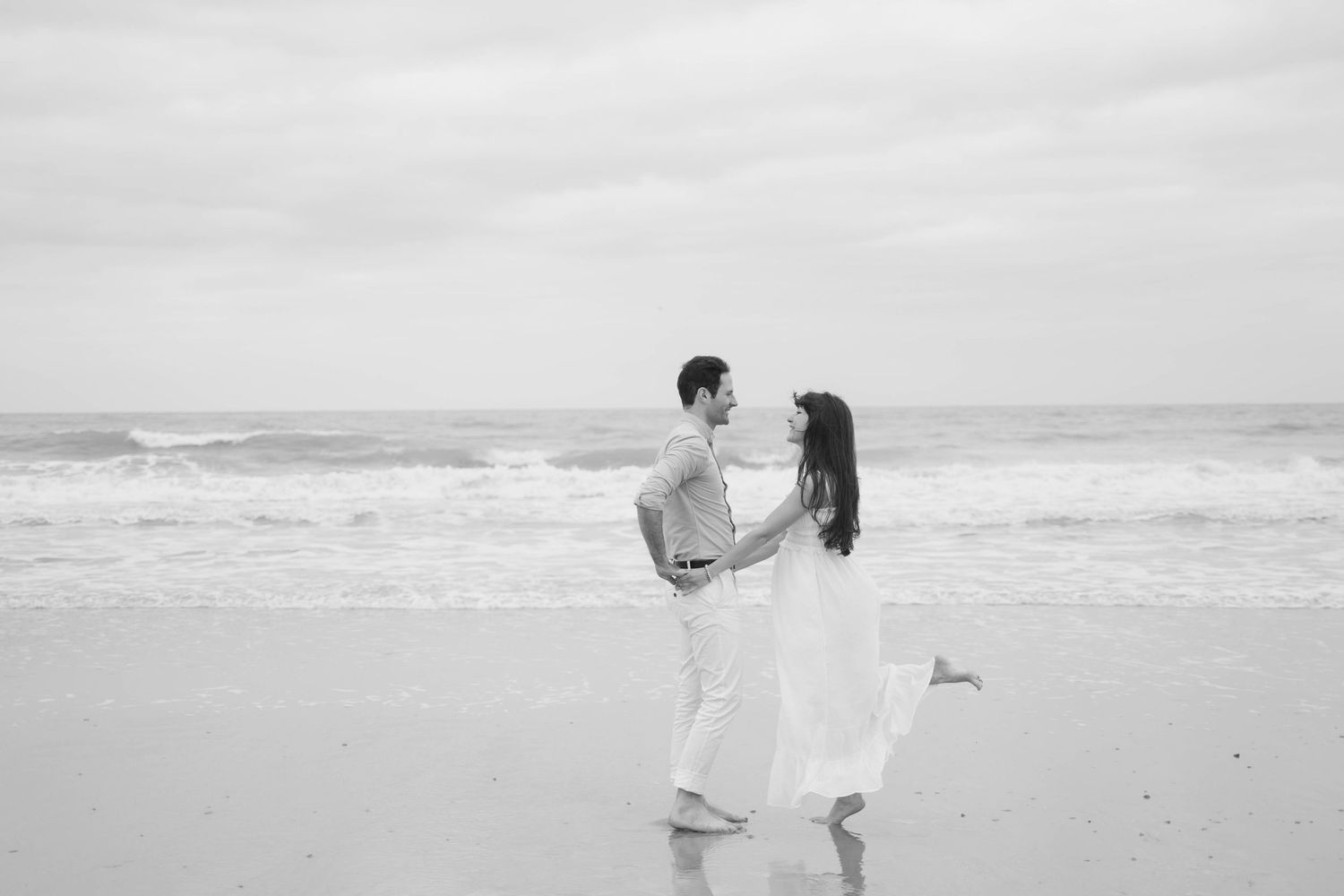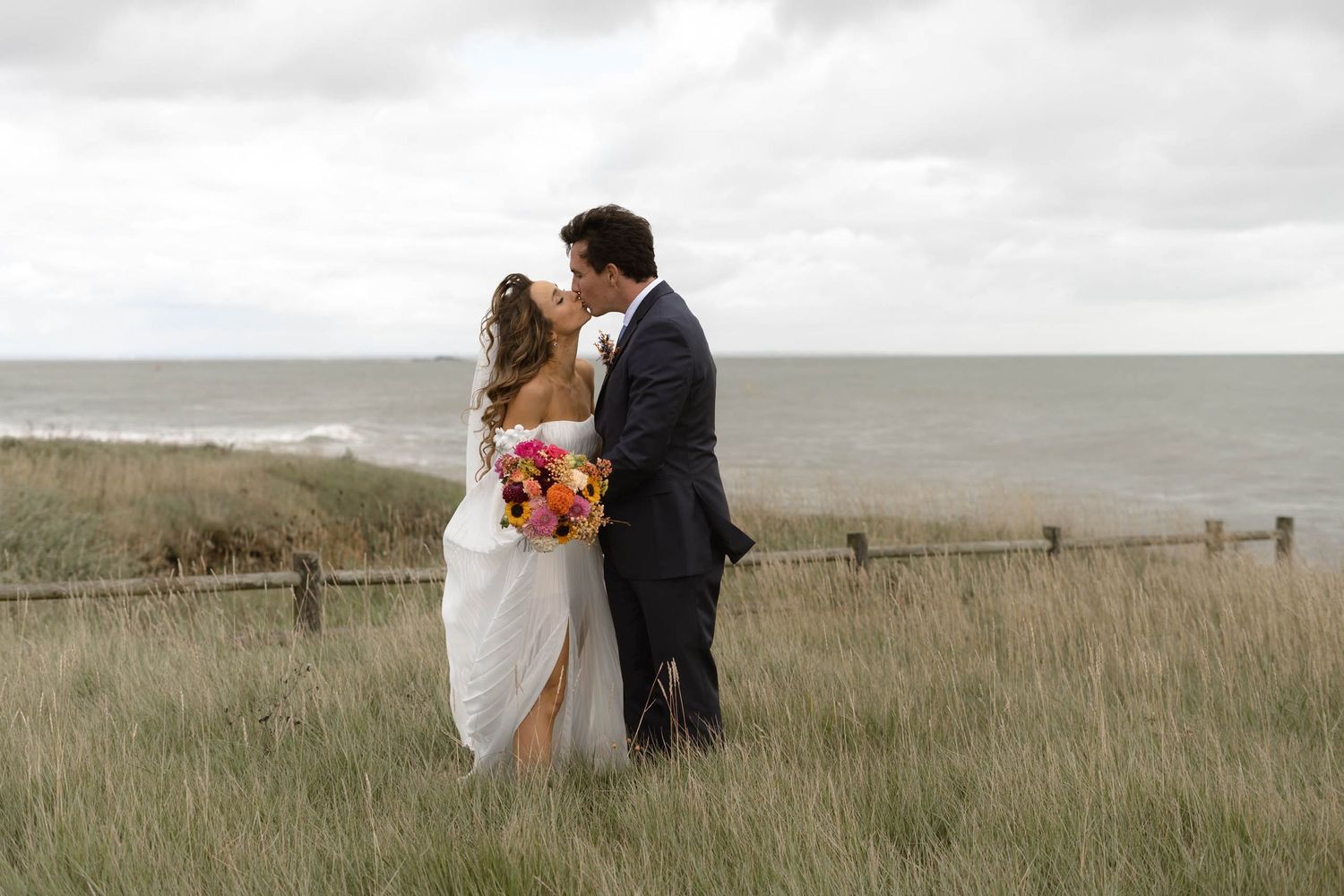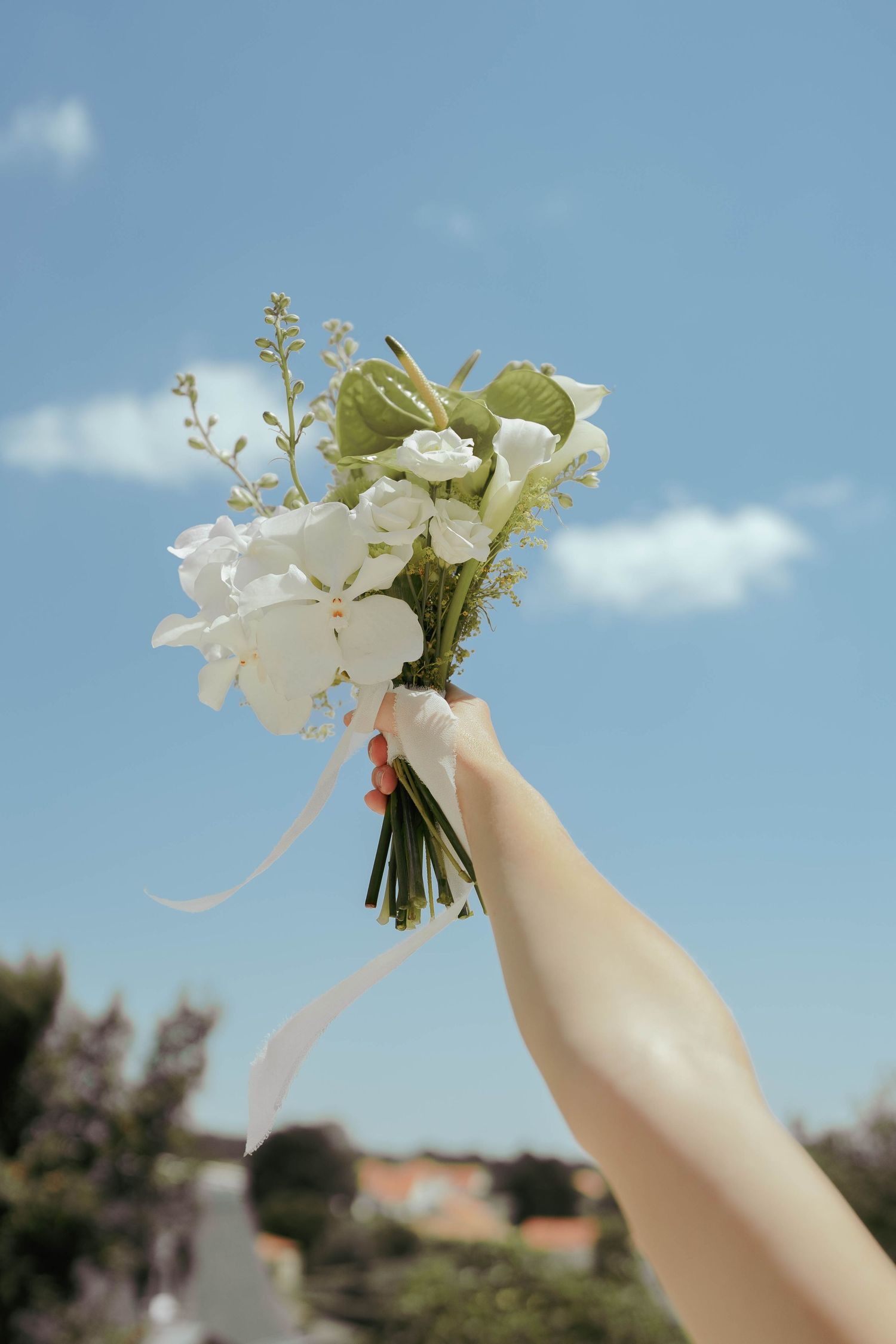
I'm not a stylist. I don't work in a bridal boutique. But I am a wedding photographer, which means I've spent a few hours beside brides, watching, documenting, capturing the exact moment a woman feels fully herself in her dress. And as a bride, I've lived this search myself.
These are some tips I wish someone had shared with me before I started.
Let Go of Your Preconceptions
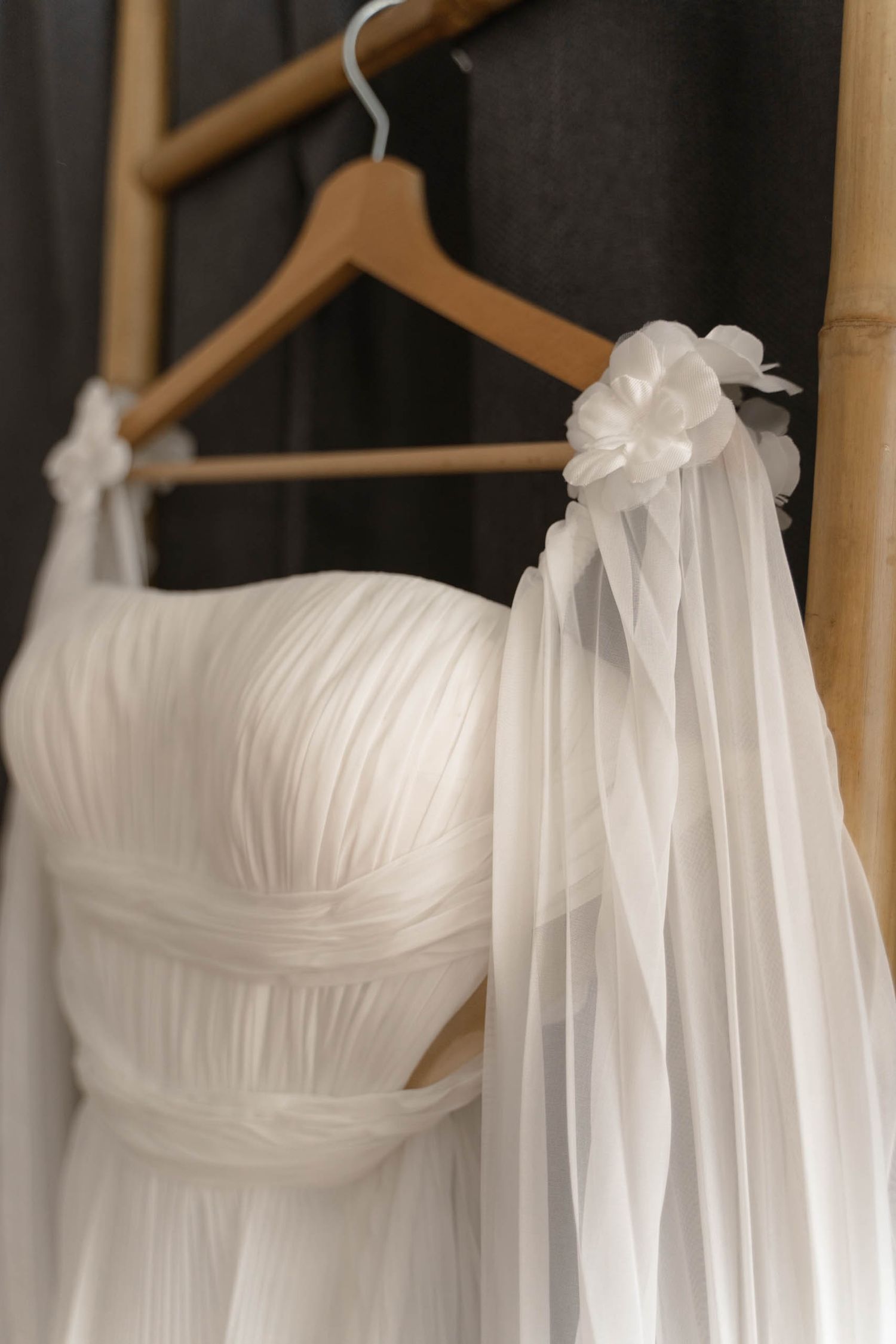
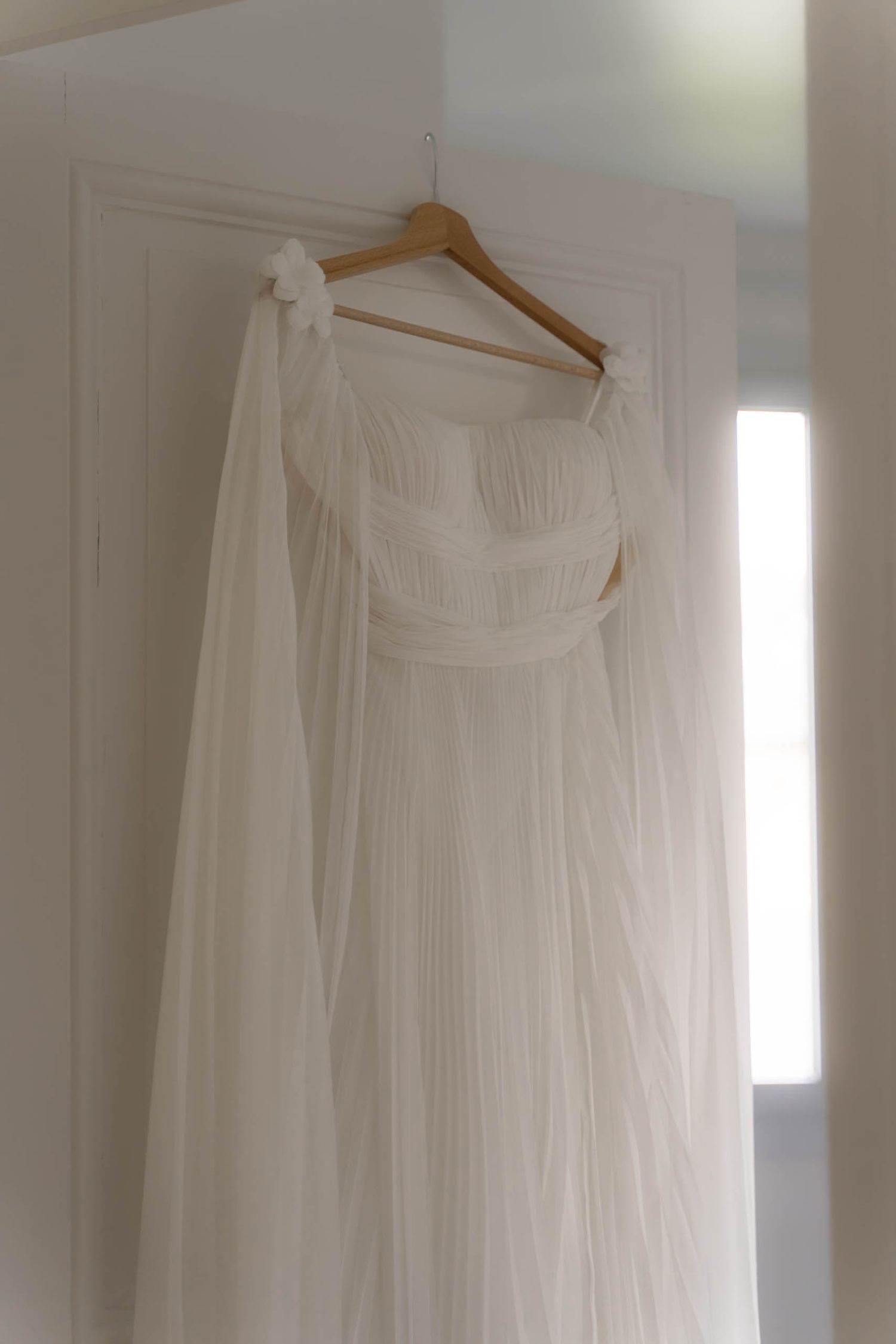
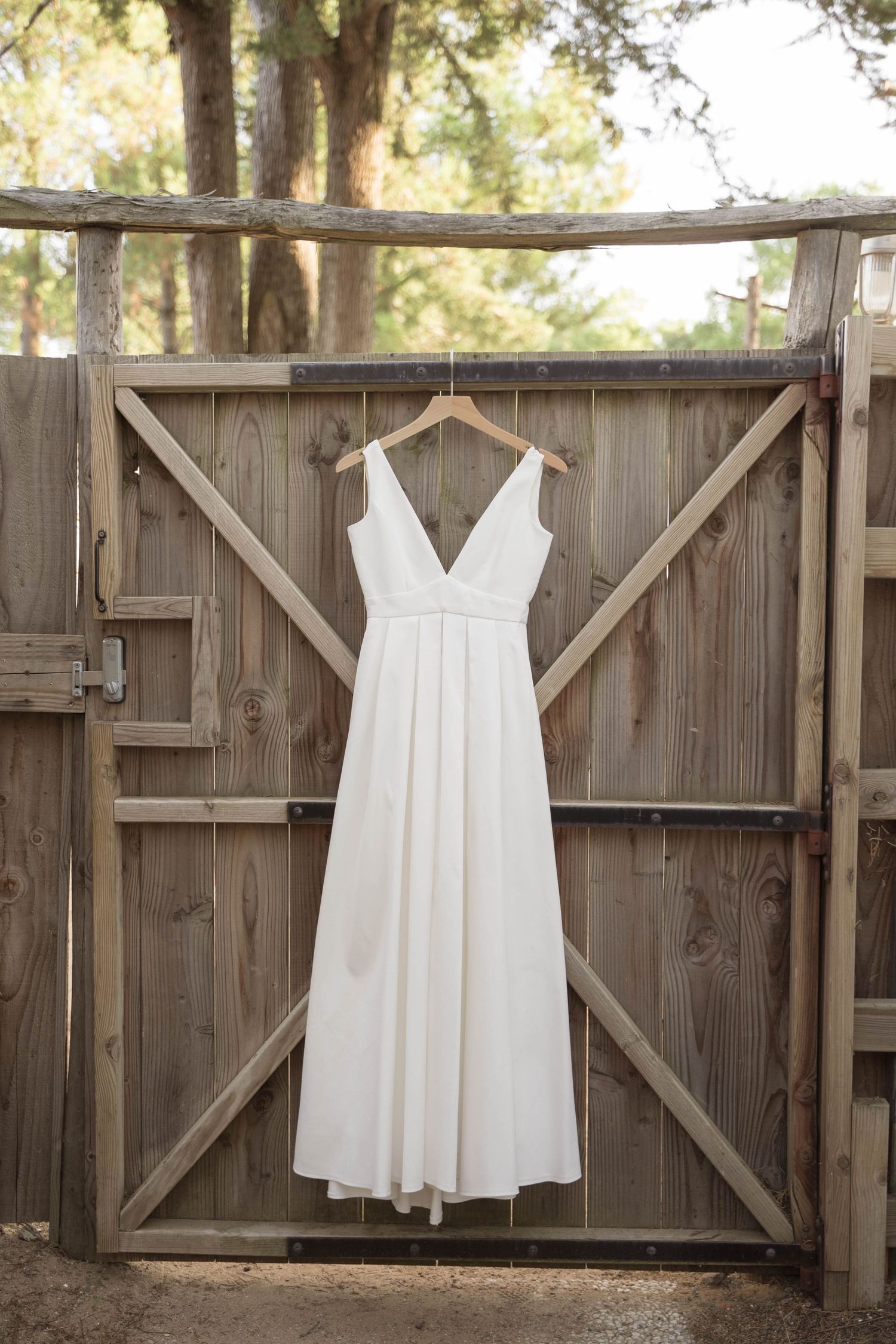
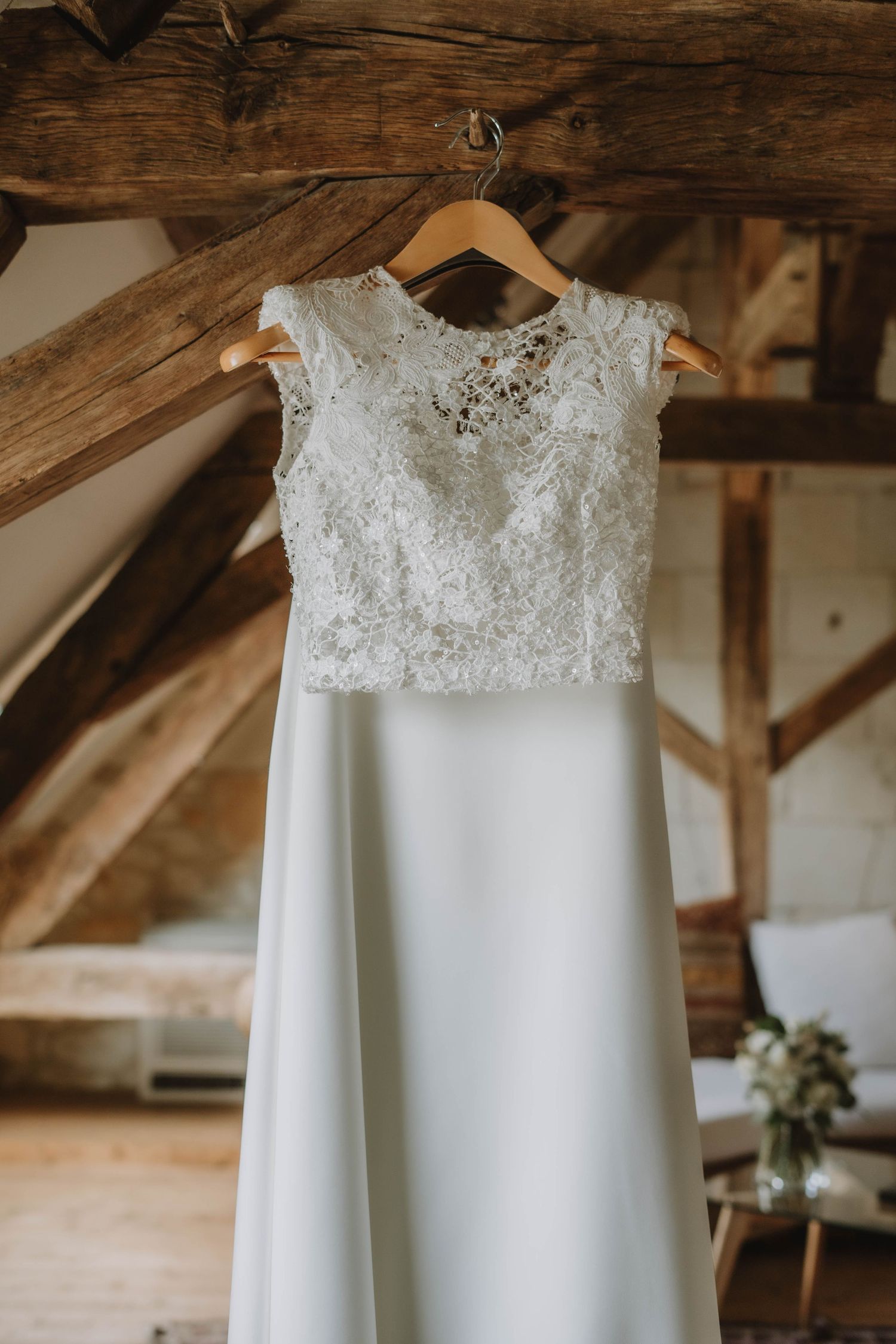
Before I even walked into my first boutique, I had a very firm idea of what I did not want. Nothing bohemian style. I put it on. It was the one. Then the saleswoman revealed that it was shelved in the "boho" dress category. You'll understand later in this article how I ended up trying it on.
What I understood afterward: by trying to avoid a label, I had nearly missed a dress. Boutique categories, boho, romantic, minimalist, ballgown, are commercial shortcuts, not identities. A dress doesn't belong to you when you name it. It belongs to you when you wear it.
The universal takeaway: Try at least one dress that doesn't match what you imagined. Not to convince yourself, just to leave room for surprise. Sometimes what we instinctively avoid is exactly what we needed all along.
Make It About You — Really
Wedding dress appointments are supposed to be one of the few moments in wedding planning where you are at the centre. And yet they're often the moment when you find yourself managing everyone else's emotions.
The mother with a vision. The friend who projects. The one who cries the moment you put on anything white. The ones who love everything. The ones who love nothing. And you, somewhere in the middle, trying to hear what you feel through all that noise.
I'm not saying your people have no place there. I'm saying: choose carefully who you bring, and pay attention to the headspace you walk in with. Some women know exactly what they want and need someone to confirm it. Others need quiet and their own eyes in the mirror.
The universal takeaway: Before booking your appointment, ask yourself honestly: will the people I bring help me hear myself, or will they make it harder? There's no wrong answer, but there is an honest one. Some women find their dress alone, or with just one trusted person. That is completely enough.
Listen to The Signs
The dress chose you, you don't chose the dress. Seriously, this one I can't explain rationally. And yet.
My dress had been put back on the rack just seconds before I reached that section of the boutique. A second later and I would have walked right past it. Two seconds and someone else might have picked it up first. I would never have tried it on. But there it was. And something, call it what you will, made me stop.
I tell this story often, not to be mystical, but because almost every bride who finds her dress has some version of it. The one she tried "just to see." The one a consultant pulls from the back of a stockroom. The one she saw in a photo two years earlier, and found again without looking.
What I actually believe: when we're in the right frame of mind, open, unhurried, present, we notice things we would otherwise have walked past. The signs might exist less in the dresses themselves than in our own readiness to receive them.
The universal takeaway: Give yourself time in each boutique. Put your phone away. Stop thinking about your next appointment. Be there, fully there. The best discoveries don't happen when you're searching, happen when you're available to find them.
Set Your Budget Before You Walk In — Not After
This one sounds obvious. And yet. You tell yourself you'll see how it goes, that you don't know dress prices yet, that you don't want to limit yourself. And then you try on a €3,500 dress, and it's stunning. And every other dress after that feels somehow lesser.
The out-of-budget dress crush is one of the most common traps in the wedding dress search. Not because brides are unreasonable, but because comparison is cruel: once you've felt something for a dress you can't have, it's very hard to start over with clear eyes.
The universal takeaway: Decide on a realistic range before your first appointment, and share it with the boutique upfront. A good consultant will only show you dresses within your budget, and in doing so, protect you from yourself. It's not a restriction. It's a framework that sets you free.
Trust Your Consultant
We tend to be wary. We assume she'll steer us toward the most expensive option, or whatever sells best. And sometimes, unfortunately, that's true.
But a good bridal consultant is a professional who has dressed dozens, sometimes hundreds, of brides. She has an outside eye that neither your best friend nor your mother can offer. She sees you in the dress, not in your imagined wedding. And often, she sees things you haven't noticed yet.
The universal takeaway: Be honest with her from the start. Your budget, your doubts, what scares you, what draws you in. The more honest you are, the more she can genuinely help. And if you sense she isn't listening, change boutiques. You deserve someone who hears you.
Put Pinterest Away Before You Go In
I know, I know. Pinterest is the number one inspiration source for brides-to-be. And a well-curated dress board can be beautiful, useful, reassuring.
But there's a flip side: walking into a boutique with 47 saved photos means walking in with a filter already over reality. You're no longer looking at the dresses in front of you, you're trying to reproduce an image. And what if the dress that would suit you perfectly isn't on your board?
The universal takeaway: Use Pinterest to get a general feel, silhouette, length, mood, but keep your phone in your bag during the appointment itself. Trust what you feel in the dress, not what you had imagined around it.
Think About How You Move, Not Just How You Pose
In boutiques, we pose. We stand straight in front of the mirror, turn, glance over a shoulder. And the dress usually looks beautiful in that configuration.
But on your wedding day, you won't be posing for eight hours. You'll walk, dance, sit, laugh, cry, maybe run toward someone. Those are the moments I photograph, and those are the moments your dress needs to be equal to.
The universal takeaway: In the fitting room, move. Sit down. Walk quickly. Raise your arms. Try to dance, even awkwardly. A dress that immobilises you is a dress that keeps you from being fully present in your day, and in your photos.
When I photograph a bride on her wedding day, I'm always looking for that moment, the one where she forgets she's wearing anything. Where the dress stops being a garment and becomes an obvious truth. That's what I want to capture. And it's exactly what happens when you find the right dress during your appointments: you stop looking at it, and you start seeing yourself.
I hope these words help you walk into that first appointment with a little less pressure, and a little more trust in your own instincts.
Planning your wedding or elopement? I'd be honoured to be part of your story, from the dress to the very last look of the day.
When should you start shopping for your wedding dress?
It is recommended to start looking for your wedding dress 8 to 12 months before your wedding date. This allows time for research, fittings, ordering, and alterations. For a micro-wedding or intimate celebration, timelines can sometimes be more flexible.
How many dress fittings does it take to find the right one?
Most brides find their dress after visiting 3 to 5 boutiques. Choosing carefully selected bridal shops that match your aesthetic and budget is more effective than scheduling too many appointments, which can feel overwhelming.
How do you choose a wedding dress for a micro-wedding or elopement?
For an intimate wedding, select a dress that aligns with the setting and overall atmosphere. A flowing silhouette works beautifully for nature elopements, while a minimalist gown suits a modern ceremony. Harmony between the dress and the experience enhances the visual story.
What is the average budget for a wedding dress?
Wedding dress prices vary depending on the designer, fabrics, and alterations required. It is important to account for additional costs such as tailoring, accessories, and shoes. Setting a clear budget from the beginning helps narrow down options.
How do you know you’ve found the right wedding dress?
Beyond trends and opinions, the right dress is the one that feels like you. You should feel confident, comfortable, and emotionally connected to it. When you can truly picture yourself living your wedding day in it, that is usually the sign.
Should you consider photography when choosing your wedding dress?
Fabric texture, structure, and movement significantly impact how your dress looks in photos. A gown that allows you to move comfortably will naturally result in more authentic and elegant images.